How to get your security deposit back in Dubai
Updated 2026-10-23
Most Dubai landlords ask for a security deposit of about 5% of the annual rent for an unfurnished unit and 10% for a furnished one. That is market practice: the law doesn't set a percentage, and your tenancy contract states the actual amount. It is still your money. The landlord holds it against damage and has to give back what's left when the tenancy ends.
What the law says
Dubai's tenancy law is Law No. 26 of 2007, amended by Law No. 33 of 2008. Three articles matter for your deposit:
- Article 20: the landlord may take a security deposit "to ensure maintenance of the Real Property", and must refund it, or what remains of it, when the lease ends.
- Article 21: at the end of the lease you must hand the unit back in the same condition you received it, "except for ordinary wear and tear or for damage due to reasons beyond the Tenant's control".
- Article 19: during the lease you must look after the unit the way an ordinary person looks after their own property.
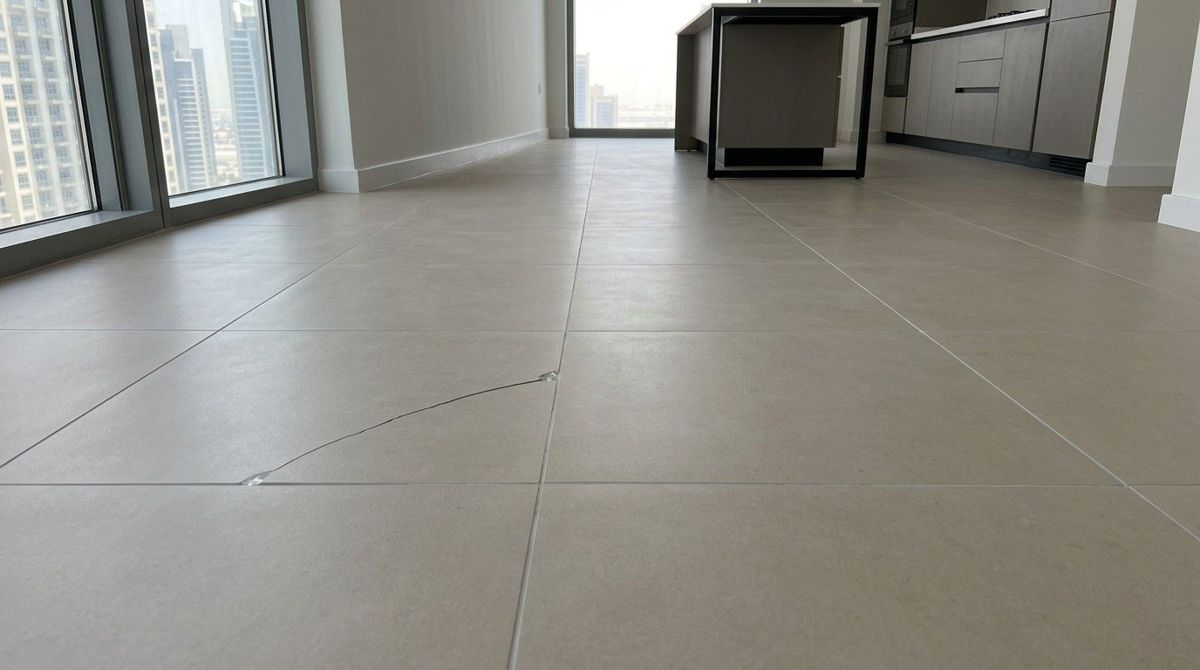
That exception in Article 21 is the key. Faded paint, light scuffs from furniture and the normal ageing of fittings are wear and tear. A cracked tile, a broken wardrobe door or a burn on the countertop that weren't there before are damage. The only way to show which is which is a record of the condition at move-in.
This guide is general information, not legal advice. Your contract can add terms, such as professional cleaning or repainting at move-out, or a clause about forfeiting the deposit if you leave early. For your own case, check the contract and ask the Dubai Land Department / RERA or a lawyer.
Before you move out
- Find your move-in record: photos, notes and anything you sent the landlord when you moved in.
- Fix what you broke. A small repair you arrange is usually cheaper than what a landlord deducts.
- Clean the unit properly, including the oven, AC filters and bathroom grout. Check whether your contract requires professional cleaning.
- Settle your final bills. Request your DEWA move-out (deactivation): DEWA sends the final bill, takes it from your DEWA deposit and refunds the rest. Landlords commonly ask for the DEWA clearance before returning the deposit.
- Arrange a handover with the landlord or agent, and return every key, card and remote.
On handover day
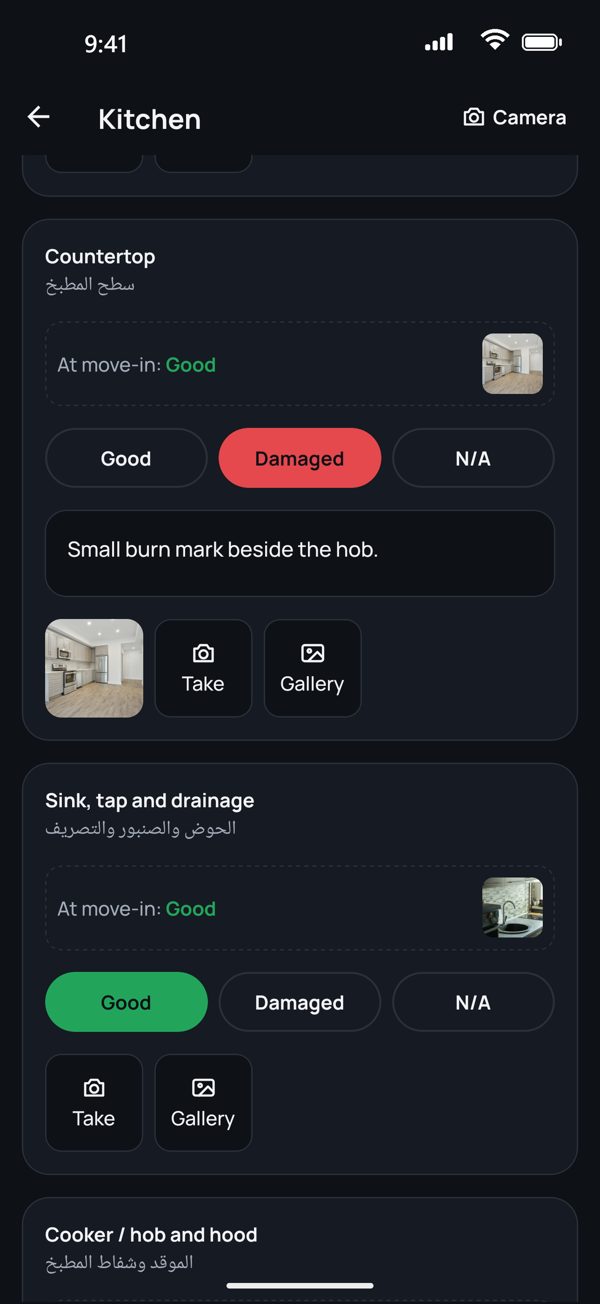
- Walk the unit together and record it again, room by room, with dated photos.
- Compare it with your move-in record. Anything already there at move-in shouldn't be charged to you.
- If the landlord points out damage, ask for it in writing, with photos and the repair cost.
If the landlord deducts or doesn't pay
- Ask for an itemised list of deductions, with photos and invoices or quotes.
- Reply in writing with your move-in photos for any item that was already damaged or is normal wear and tear.
- Keep it polite and on email or WhatsApp, so there's a record.
- If you can't agree, file a case with the Rental Disputes Center (RDC), the Dubai Land Department's tribunal for rental disputes. Your contract must be registered with Ejari. Cases go to conciliation first, and many settle there. Published fee schedules put the filing fee at 3.5% of the annual rent (minimum AED 500, maximum AED 20,000); check the RDC's current fees before filing.
The short version
Deposits are lost on missing evidence more often than on real damage. A dated, signed move-in report and a matching move-out record make the conversation short. AptProof makes both for free and lines them up item by item, so you can show exactly what changed.
Sources
- Dubai Law No. 26 of 2007 regulating landlord–tenant relations (Dubai Legal Portal, English)
- Real estate legislation, including Law No. 33 of 2008 (Dubai Land Department, PDF)
- About the Rental Disputes Center (RDC)
- Rental Dispute Center step-by-step and 2026 fees (Real Estate Club Dubai)
- Move-out: deactivate electricity and water (DEWA)
- When should landlords refund security deposits in full? (Khaleej Times, legal column)
- Do tenants pay for wear and tear when moving out? (Khaleej Times, legal column)