Move-out in Dubai: checklist and what landlords can deduct
Updated 2026-10-23
Moving out goes smoothly when you start a few weeks early. This checklist covers the steps Dubai tenants usually need, and how to handle deductions from your deposit.
Weeks before
- Check your contract for the notice period and how notice must be given. If you won't renew, the law asks for at least 90 days' notice before the contract ends unless your contract says otherwise (Article 14). Give it in writing and keep proof.
- Leaving before the contract ends? The law sets no standard penalty; your contract's early-termination clause decides it. Many contracts ask for two months' rent, which is often negotiable, for example if you find a replacement tenant.
- Agree a handover date with the landlord or agent.
- Book movers, and ask your building management whether you need a move-out permit or a booked lift slot.
- Book cleaning if your contract requires professional cleaning.
Bills and clearances
- DEWA: request the move-out (deactivation) for your date online, on the DubaiNow app, or with the account and premises numbers from your bill. DEWA emails the final bill, takes it from your DEWA deposit and refunds the rest to your IBAN or by cheque. Keep the clearance: landlords usually ask for it.
- Settle district cooling (if your building has it), gas, internet and TV, and cancel the services.
- Ejari: the registration has to be cancelled before a new one can be made for the unit. Your landlord or agent usually does it; tenants can also request it on the Dubai REST app or the DLD website, free of charge, or at a Real Estate Services Trustee Centre for a small fee.
Get the unit ready
- Repair damage you caused: fill and touch up nail holes, replace broken bulbs, fix loose handles.
- Clean everywhere, including the oven, extractor hood, fridge, AC filters, windows and balcony.
- Remove everything you added unless the landlord agreed it can stay.
Handover day
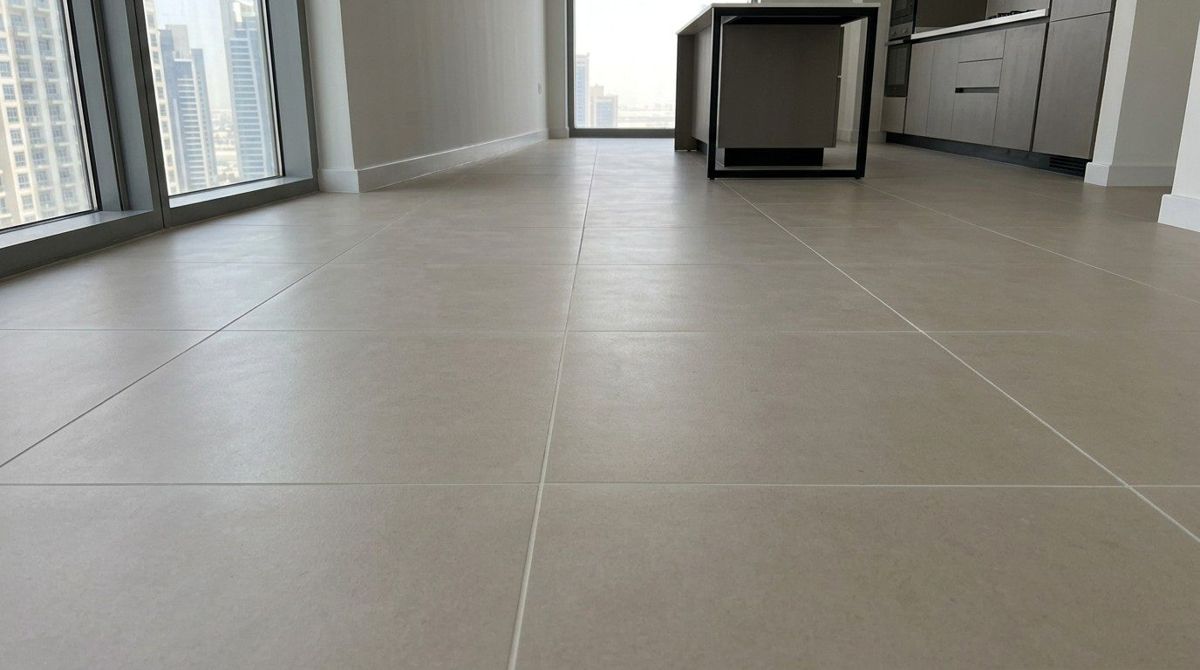
- Walk through every room with the landlord or agent.
- Record the condition again: the same rooms and items as your move-in, with dated photos.
- Return all keys, access cards, parking cards and remotes, and get a signed note that you did.
- Agree in writing what, if anything, the landlord says needs fixing.
What's fair to deduct, and what isn't
You must return the unit in the condition you received it in, except for ordinary wear and tear or damage beyond your control (Article 21). The deposit exists to cover maintenance of the unit (Article 20). In practice:
- Usually fair: damage you caused, like a cracked tile, a broken door, burns or large stains; unpaid bills; missing keys or cards.
- Usually not fair: normal wear and tear, like faded paint, light marks from furniture or ageing fittings; damage that was already there at move-in.
Your contract may add specific terms, such as professional cleaning or repainting, so read it before you agree to any deduction.
This guide is general information, not legal advice. If you can't agree with your landlord, the Rental Disputes Center handles tenancy disputes in Dubai; your contract must be registered with Ejari.
Show what changed
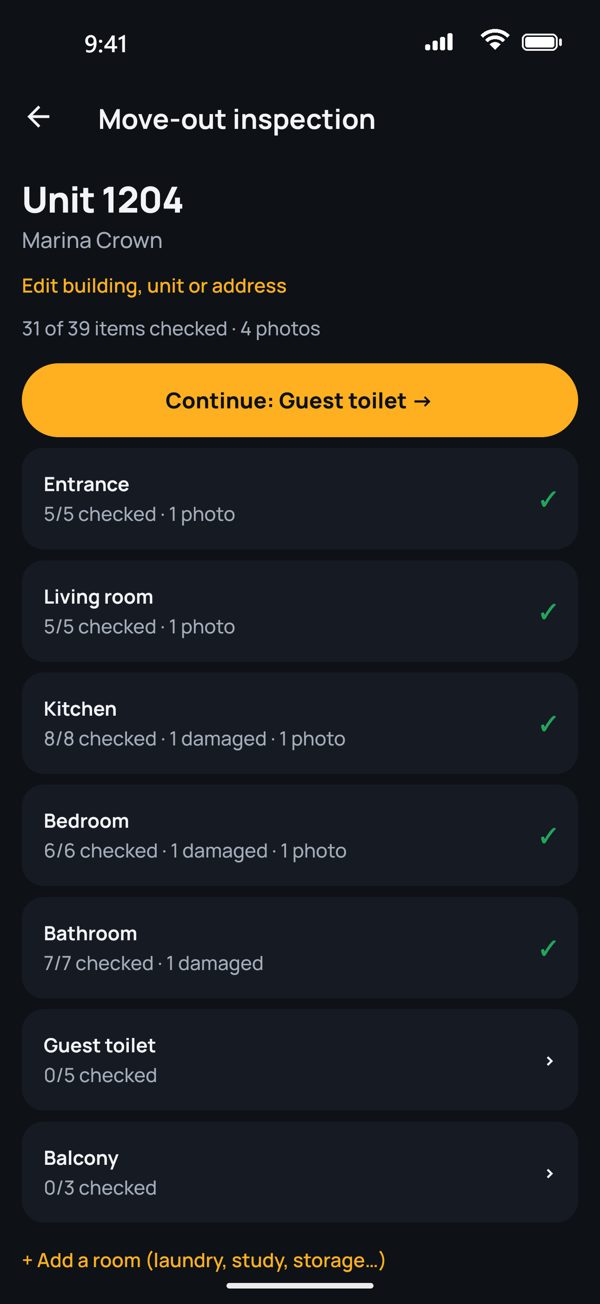
The strongest answer to a deduction is a side-by-side of move-in and move-out. AptProof compares your move-out report with your signed move-in report item by item and shows what's new damage, what was repaired and what was already there. It's free, move-out included.
Sources
- Dubai Law No. 26 of 2007 regulating landlord–tenant relations (Dubai Legal Portal, English)
- Real estate legislation, including Law No. 33 of 2008 (Dubai Land Department, PDF)
- Move-out: deactivate electricity and water (DEWA)
- How to deactivate DEWA when moving out (Gulf News)
- Cancel a tenancy contract (Ejari), Dubai Land Department
- About the Rental Disputes Center (RDC)
- Do tenants pay for wear and tear when moving out? (Khaleej Times, legal column)